Performance
Before the First Note
November 2, 2026
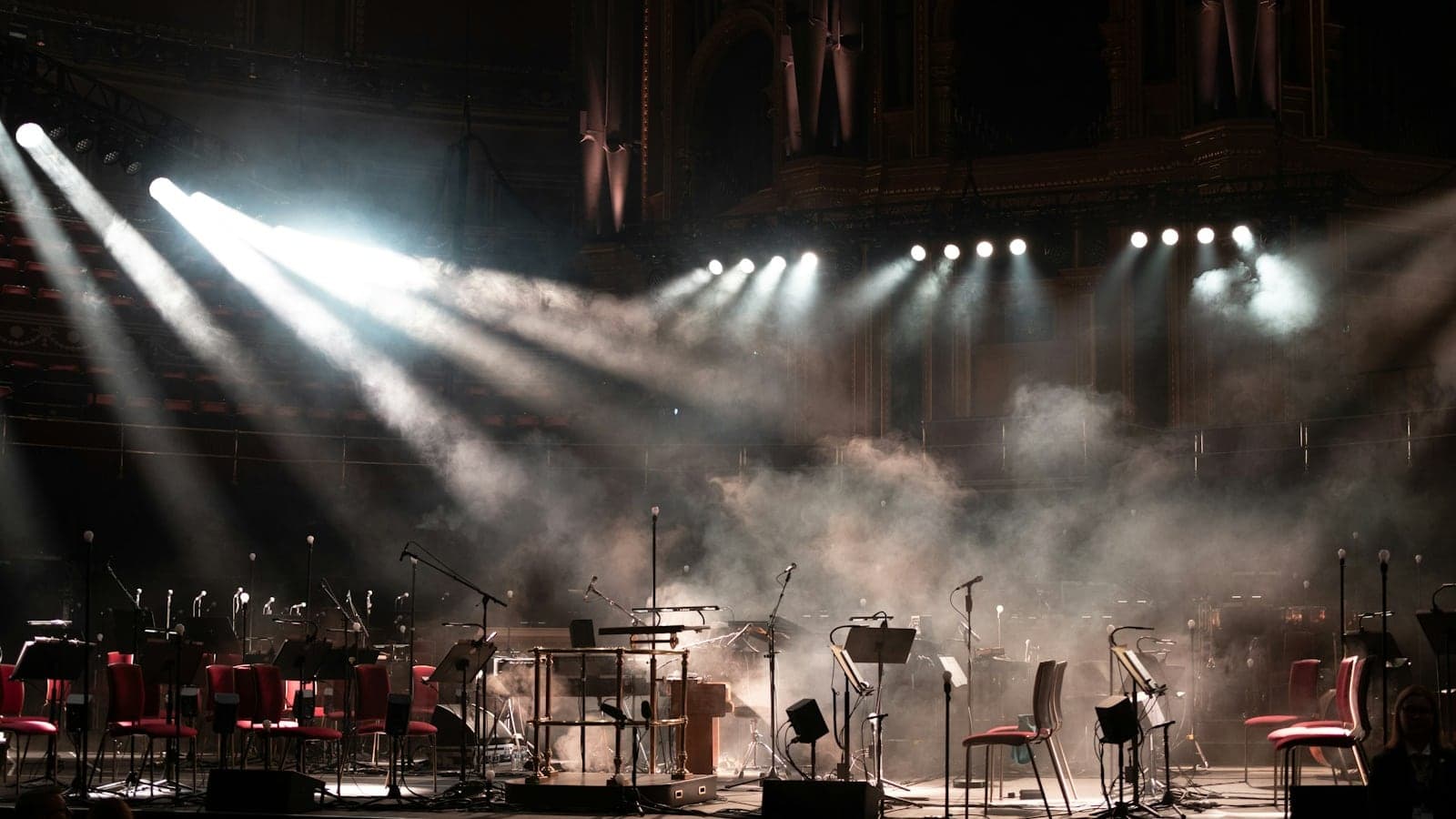
This past week was full of music. I performed at a dinner on Monday night, then went to a senior recital on Thursday and an orchestra concert on Friday.
At the dinner, one of my favorite moments happened. I was playing the Prelude from Bach’s Sixth Cello Suite, and I like to be quite dramatic with the chords in the last 30 or so bars. After the last D major chord, I release and hold a moment of silence before finishing the Prelude in a tranquil mood. This time, the silence was so convincing that someone clapped, sure the piece was over. I loved it. The room chuckled ever so slightly, I smiled, and I continued. I could never have planned for a choice to land so well that someone would clap, and I was so happy it came across.
That moment points to something I have been enjoying exploring in my own practice: the time we spend playing isn’t the only time we are performing. The moments before and after count too: how fast we walk onto the stage, the expression on our face, the eye contact we make with the darkness of the hall, the amount of time we spend in silence (my favorite). They all contribute to the performance, and over the last few years they have become some of my favorite parts of music.
At the recital and the orchestra concert, I noticed more of these moments. Whether it was a performer speaking between pieces or the smile before a mellow movement of a concerto, it was all part of the performance. And the more intentional those moments are, the more the music lands.
Perhaps there is a tipping point at which these thoughts kick in. If you are still working through the technical side of a piece, you don’t have the brainpower to think about what your face is saying. You have to be technically proficient to a certain extent to share that. Or do you?
I would argue that focusing on musical interpretation can free your brain from crunching the technical details, letting your hands simply move.
One of my favorite lessons from a teacher was to always write one word at the top of each piece that captures the mood you want to convey. I’ve used “heroic,” “lullaby,” and “raucous,” to name a few. Those words have been anchors for me when performing, and I wish I had started using them earlier.
Imagery works well for me too. I start by imagining the exact place a piece lives. Am I indoors or outdoors? What is the sky like? Is it cold or warm? Is there a character, and am I that character or watching from the outside? What happens in this story? My favorite performances transport me to a different world, so trying to do that myself has been fun.
These tools have helped me, but they have always been mental exercises I had to remember to do. Other than writing a word at the top of my music, I never had a structured way to build the performative side into my practice.
When we started building Studio, I wanted to find a way to ingrain musical and performative intention into the way I practice. Every piece in Studio opens with an image I choose to represent the place I want to transport listeners to, and the first line I see when I practice is the phrase I wrote to describe it. I think we may have found a way to structure creativity.
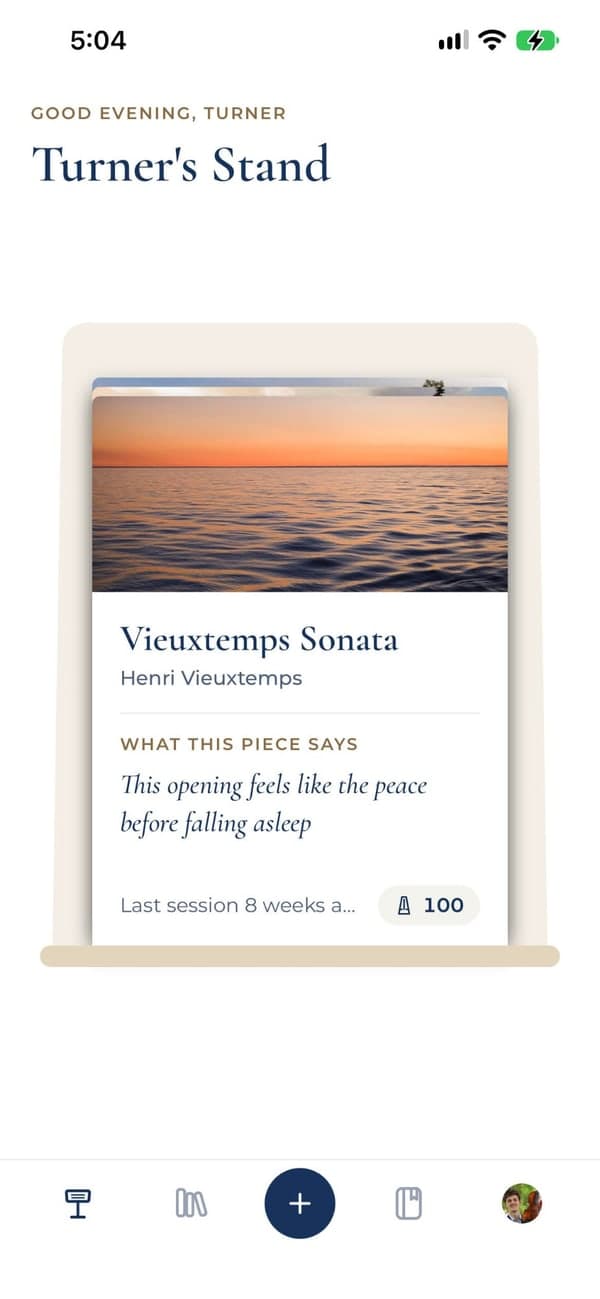
This has worked well for me, but I’d love your thoughts. How do you bring creativity into your performances? And if you have tried Studio, does it do that well for you, or is it missing something? Give us feedback, or take a look at Studio at practice.embracestrings.com.
Play freely,