Performance
Two Layers of Tension
August 16, 2026
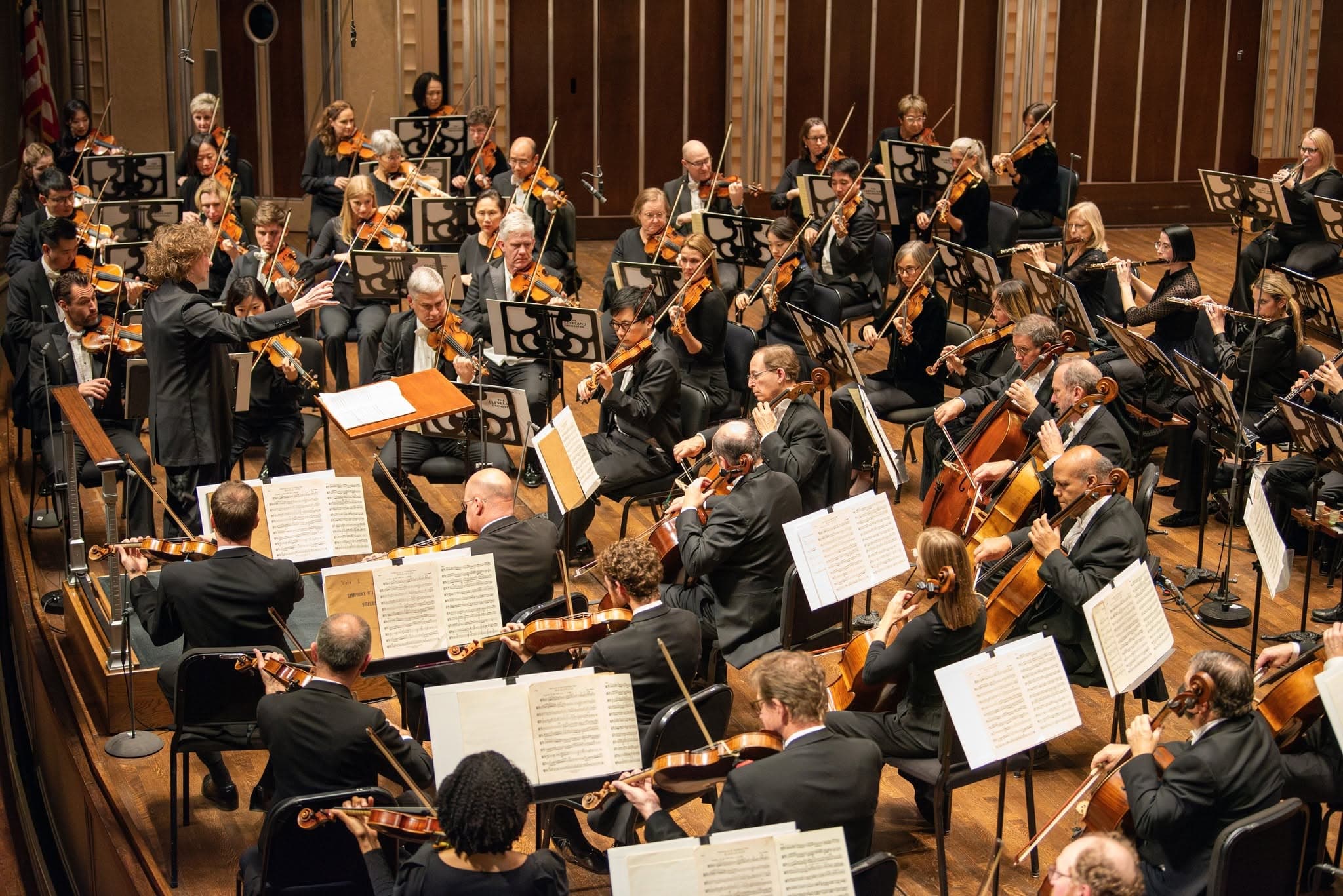
Three years ago, I was in so much pain that I was unable to play. After months of practicing for auditions, playing 3-4 hours a day in poor posture, my body had had enough. The entire summer was spent going to the chiropractor, stretching, and relearning how to play without tension. I still work through that to this day.
And I am not alone. Studies on professional musicians consistently find that between 60 and 90 percent report musculoskeletal pain from playing. This isn't a young player's problem or an old player's problem, it follows musicians through every stage of a career, from the first years of serious training through decades of professional playing. Tension, at any age, is prominent for musicians.
There are two sources of tension while playing: structural and neuro-muscular. Let's break them down.
Structural Tension: this refers to your posture, the way you hold the instrument, and the tools you use to support your setup. This structure is like the foundation - without a sturdy base, it is extremely difficult to build quality musicianship without tension. The reason we practice scales and etudes (to build a foundational structure for us to learn pieces) is the same reason our setup is so critical to performance.
Neuro-Muscular Tension: the mental and physical use of our muscles. Playing a stringed instrument is a foreign and unnatural movement for the body. When learning how to play, our body reacts by introducing tension in various places to counteract the unnatural movement. For some it shows up through clenching of teeth, raising of the shoulder, or tightening of the abdomen. However it manifests, there is a layer of mental and muscular training that occurs subconsciously, and constantly adds tension to our playing.
My injury was caused by both. A poorly fit setup created a wobbly foundation I was trying to build on for multiple hours a day. Every practice session was a little gust of wind slowly blowing down my house of straw, until it finally fell under the pressure.
Fixing the foundation took, and is still taking, time. It took testing and building hundreds of chinrests, shoulder rests, and posture adjustments to find a strong foundation. Finding a foundation that is sturdy, yet adapts over time to the needs of your body, was challenging.
Next comes the retraining of your neuro-musculoskeletal system to notice and prevent tension while playing. From slow practice to test how much muscle you actually need for a forte, to the awareness to notice you're clenching your teeth while playing, to constantly asking yourself whether there's tension building anywhere in your body, this takes time and years of intentionality.
Chances are, you are reading this and are experiencing tension in your playing. Whether it is a problem with your foundation or a subconscious reaction to playing, it is real… and solvable.
Taking the time to build a setup structure that supports your ever-changing body, and training awareness of tension throughout your body, is critical to your improvement as a musician. It is unique to each player, and cannot be solved in a day. But asking the question and taking action towards improvement is the first step to releasing tension in your music.
If you are experiencing tension and aren't sure why, we'd love to talk. Our team of tension experts offer time to talk to you about the problems you are facing in setup, whether structural or neuro-muscular. If you are ready to take action towards removing tension, reach out, and we'll work towards a tension-free playing together.
Play freely,