Practice
Why Intentional Practice is Hard (and How to Solve It)
August 23, 2026
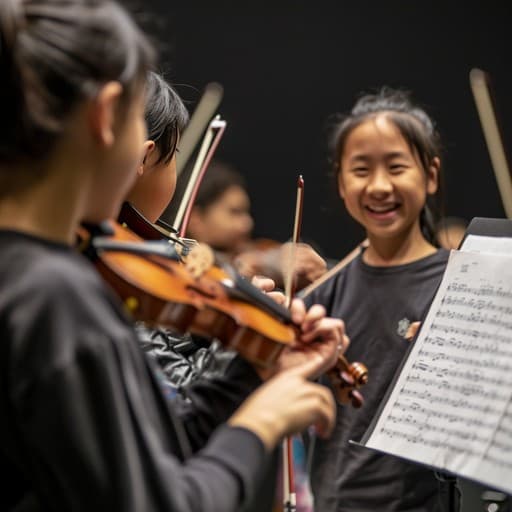
We all know the feeling: after two hours of "practice," you feel like no improvement was made, or maybe you even got worse from the session. You begin to think: "What did I do wrong?", "Why can't I play this?", "Am I even a good musician?".
Unorganized, unintentional practice is the catalyst for that feeling. Without a plan, it is easy to pick up our instrument and blindly run through a practice session. Even if you played for two hours, often there wasn't a single minute of real intentionality.
We've all heard a teacher say "quality over quantity," and the research backs it up. Studies on deliberate practice consistently find a stronger link between how intentionally musicians practice and how much they actually improve than between raw hours logged and improvement. In fact, one study on advanced pianists found that time spent practicing a piece didn't reliably predict how well it was performed at all. Intentionality is what's missing, and not because you lack motivation or discipline. It's because the structure of our practice doesn't prompt it.
A few months ago, I started noticing my rate of improvement slowing down. Even though I was practicing for hours a day, they just didn't seem to be paying off. When I thought about why, the reasons weren't complicated. I wanted to record myself in practice, but seldom did. Taking notes on places to improve seemed important too, but my journal hadn't left its home in my case for months. My practice sessions had no real structure, and without structure, they weren't helping me improve.
Most of our practice tools today are siloed: music on the stand, a journal that lives in the case, recording capability on a phone that also holds every distraction we own, and a tuning app thrown in. Jumping between four different tools during one practice session creates friction, and that friction causes many of us to skip the habits that matter most to improving.
In Atomic Habits, James Clear talks about building environments that make good habits nearly automatic, removing the friction that gets in the way rather than relying on willpower alone. The same logic applies here. If we want to be the kind of musicians who take notes, who record ourselves, who practice with intention instead of just logging hours, we need an environment built around that, not four disconnected ones fighting against it.
That's what we've been building with Embrace Studio: one place to record, take notes, and reflect, so what you notice in a session doesn't disappear the moment you put the instrument down.
We're opening it up for early testing this week, and we'd love your help shaping it. If you are interested in helping build the future of intentional practice, leave your information below and we'll be in touch.
Play freely,